Term life insurance is one of the most common forms of life insurance because it provides protection during specific periods of life when financial responsibilities are often at their highest.
Unlike permanent insurance, term life insurance is designed to last for a set amount of time rather than for an entire lifetime.


This temporary structure is one of the reasons term-insurance is often used by younger families or individuals who are still building their financial foundation. During these years, income is especially important because spouses, children, and other family members may depend heavily on it. If something unexpected were to happen, the loss of that income could create significant financial hardship.
Term insurance helps address that risk by providing coverage for a specific period, such as five, ten, twenty, or even thirty years. The selected timeframe is typically based on how long financial obligations are expected to last. For example, many families choose a term that aligns with the years their children are still financially dependent.
One of the key advantages of term life insurance is affordability. Because the policy only covers a set period of time, it is generally the least expensive way to purchase a significant amount of life insurance coverage. That makes it a practical solution for families looking to protect income and cover major obligations without committing to permanent insurance.
When evaluating how much term life insurance may be appropriate, one helpful framework is the acronym: LIFE. This approach focuses on four areas that often shape coverage needs.
Important factors to evaluate include the following:
- Liabilities such as mortgages, vehicle loans, and other debts that may need to be paid off.
- Income replacement to help support a spouse or children if income is lost unexpectedly.
- Final expenses including funeral costs and other immediate financial needs.
- Education funding for children who may still need financial support for college or future schooling.
Using these categories helps families estimate the amount of coverage necessary to support their goals and responsibilities. For example, someone with young children may choose coverage that lasts until those children are financially independent or through the completion of college.
Term insurance is often compared to leasing because the coverage eventually expires at the end of the selected term. Permanent forms of insurance, such as whole life or universal life, function differently because they are designed to last indefinitely as long as policy requirements are met. Each type of insurance serves a different purpose depending on the family’s situation and long-term goals.
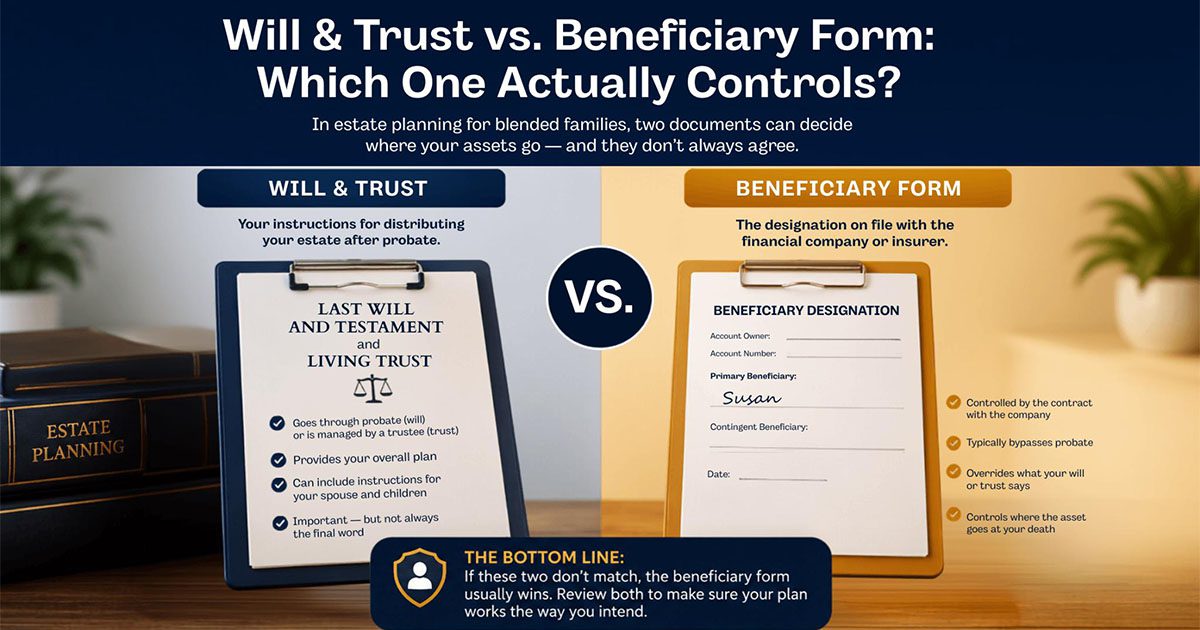
Another important part of managing life insurance is keeping beneficiary designations updated. As life changes occur — such as marriage, divorce, or the birth of children — beneficiary information should be reviewed to ensure the policy reflects current wishes.
Ultimately, term life insurance is designed to provide financial protection during the years when people are most vulnerable to the loss of income. By focusing on key responsibilities like debt, family support, and future expenses, term insurance can help create stability during uncertain situations.
Because every family’s needs are different, the appropriate amount and duration of coverage depend on individual circumstances. Understanding the role term insurance plays within a broader financial plan helps ensure the coverage aligns with both current responsibilities and future goals.
Financial Enhancement Group is an SEC Registered Investment Advisor.