One of the most common conversations financial professionals have with families is the idea that retirement automatically means moving entirely to conservative investments.
However, that approach doesn't always align with reality. Risk tolerance is not simply a function of how old someone is. Instead, it involves understanding how long money needs to last, how much has been saved, and how comfortable someone is with market fluctuations.
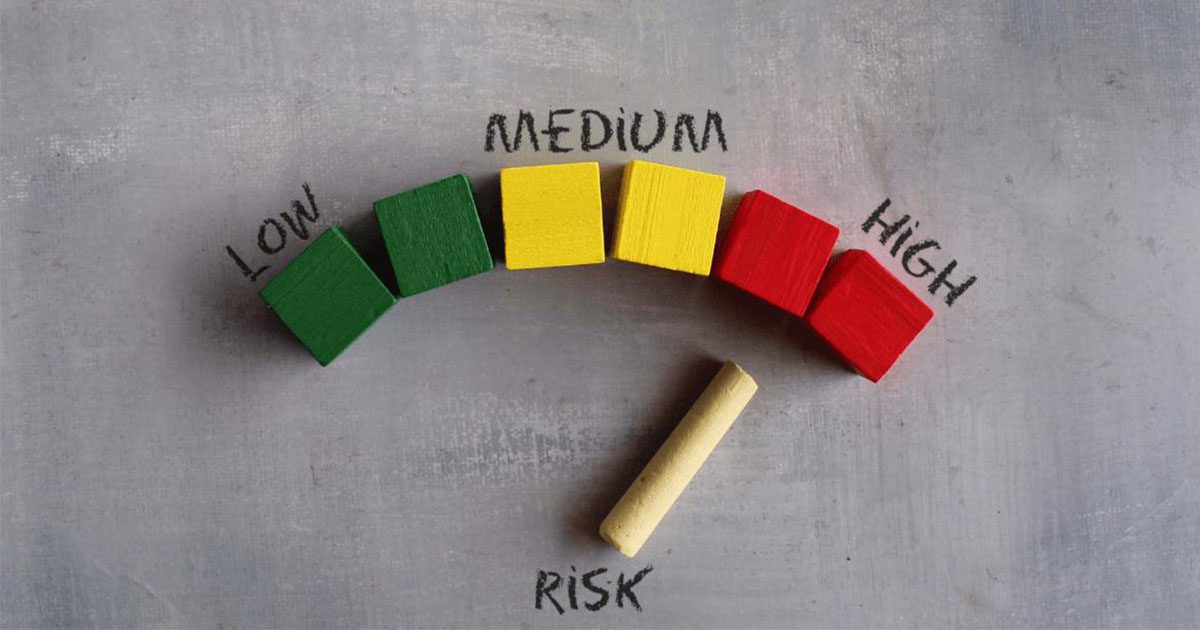

When people think about investing, one of the first concepts that often comes up is risk tolerance. Many investors assume risk tolerance is determined primarily by age. Thinking usually goes like this: the closer you get to retirement, the less risk you should take. While age does play a role in investment decisions, it is only one piece of a much larger puzzle. Understanding true risk tolerance requires looking at a variety of factors that are unique to each individual and family.
Consider longevity. For people who retire at age 60 and expect to live into their 90s, their retirement could last 30 years or more. In that situation, maintaining some level of growth may be necessary. A portfolio that becomes too conservative too early could struggle to keep pace with spending needs over several decades. On the other hand, someone with a shorter time horizon may have very different needs.
The amount of money saved is another important factor. Two retirees could be the same age but face completely different circumstances. One person may have accumulated several million dollars and require only a modest amount of income in order to maintain the same lifestyle. Another may have a smaller portfolio and rely heavily on every dollar saved. Those realities can lead to very different conversations about risk.
Market temperament is equally important. Some people can watch the market decline and remain focused on their long-term plan. Others become extremely uncomfortable during periods of volatility and lose sleep when account balances fluctuate. Understanding how someone emotionally responds to market movements helps determine an appropriate investment approach.
When evaluating risk tolerance, several key questions come into play:
- How long does the money need to last?
- How much has been accumulated to support future goals?
- What level of spending is required to maintain a desired lifestyle?
- How comfortable is the investor during market downturns?
- What other income sources are available to support retirement?
These questions often provide a more meaningful picture than age alone. A younger investor is not automatically positioned to take more risk, and an older investor does not necessarily need to become completely conservative. The answers depend on the broader financial situation.
One way to think about risk tolerance is through the analogy of a road trip. The goal is not simply to focus on how old the driver is. Instead, the more important questions are how much fuel is available and how far the trip needs to go. In financial terms, that means understanding the resources available and the length of time those resources need to support a person’s life.
For example, a 70-year-old with significant assets and relatively modest spending needs may be in a stronger position to tolerate investment risk than a 50-year-old who needs every dollar of savings to fund retirement. The numbers, goals, and circumstances matter far more than age alone.
Another important factor is understanding standard of living. If income sources such as pensions, Social Security, or other recurring payments already cover most living expenses, investment decisions may be approached differently. When essential needs are already met, investment assets may have greater flexibility to pursue longer-term objectives.
Ultimately, risk tolerance is not a one-size-fits-all calculation. It is a personalized evaluation of resources, goals, time horizons, and emotional comfort with uncertainty. While age may influence the discussion, it is only one factor among many. The most effective investment strategies are built around the complete financial picture rather than relying on age alone.
Financial Enhancement Group is an SEC Registered Investment Advisor.
This content is for educational purposes only and is not intended to be financial, investment, or tax advice. Please consult with a qualified advisor regarding your specific situation.