For many retirees, one of the biggest adjustments after years of saving is understanding when the IRS requires money to start coming out of retirement accounts.
These mandatory withdrawals are known as Required Minimum Distributions, or RMDs, and they play an important role in retirement and tax planning. While the concept sounds straightforward, the rules surrounding RMDs can create confusion, especially as age requirements and regulations have changed over time.
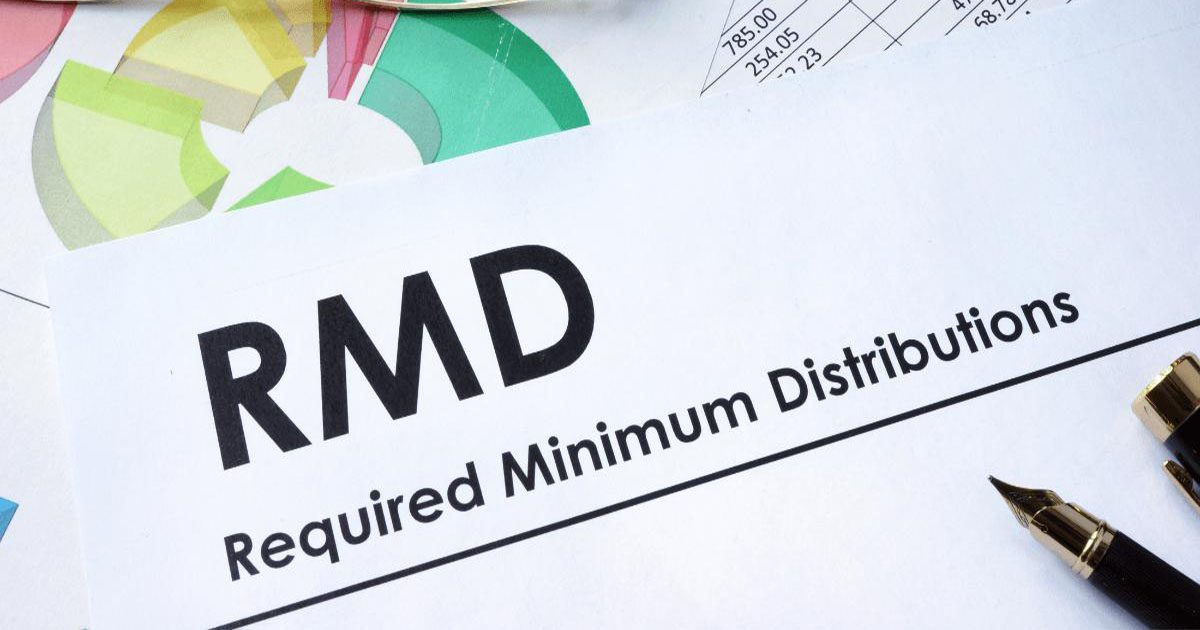
One of the most common questions people ask is, “When do I have to start taking RMDs?” The answer depends on when you were born. If you were born on or after January 1, 1960, your RMD age is 75. If you were born before that date, your RMD age is 73. These are the ages at which the IRS requires distributions to begin from certain retirement accounts.
RMDs generally apply to tax-deferred retirement accounts such as traditional IRAs and many 401(k) plans. The reason these withdrawals are required is simple: the money has been growing on a tax-deferred basis for years, and eventually the IRS wants to collect the taxes that have been postponed. Once RMD age arrives, those distributions become a required part of retirement planning.
Note, however, some important nuances. For example, if you are still actively working and participating in your employer’s 401(k) plan, you may not have to take an RMD from that account immediately. The rules can vary based on your circumstances, which is one reason these decisions often require careful review.
Another common question is whether RMDs can be avoided altogether. The short answer is no. If you have tax-deferred retirement money, the distribution requirement eventually arrives. However, strategies can be considered before reaching RMD age that may help reduce future distributions. One example discussed in the transcript is Roth conversions, which can potentially reduce the amount of tax-deferred assets subject to future RMDs.
In addition, charitable strategies are available. Beginning at age 70½, individuals can make qualified charitable distributions (QCDs) directly from an IRA to a church or charity. These distributions are tax-free to both the individual and the charitable organization. QCDs can help reduce future RMDs and, if gifted in a year in which an RMD is required, can satisfy all or part of your RMD.
When it comes time to take an RMD, consider the following options for what to do with the money:
- Reinvest the distribution into a non-retirement investment account.
- Use qualified charitable distributions when appropriate.
- Spend the money to support retirement lifestyle goals.
- Pay the taxes associated with the required withdrawal.
Calculating an RMD involves a formula established by the IRS. The calculation starts with the value of your retirement account on December 31 of the previous year. That balance is then divided by a life expectancy factor provided by the IRS. As people age, the factor becomes smaller, which generally results in larger required distributions over time.
Timing is another important consideration. During the first year an RMD is required, individuals may delay taking it until April 15 of the following year. However, doing so can create a situation where two RMDs must be taken in the same calendar year. After the initial year, RMDs generally must be completed by December 31 each year.
Required Minimum Distributions are a normal part of retirement for anyone with tax-deferred retirement savings. Understanding when they begin, how they are calculated, and what options exist for managing them can help retirees navigate this phase of life with greater confidence and clarity.
Financial Enhancement Group is an SEC Registered Investment Advisor.
This content is for educational purposes only and is not intended to be financial, investment, or tax advice. Please consult with a qualified advisor regarding your specific situation.