Catch-up contributions offer an opportunity to put additional money into retirement accounts as you get closer to retirement.
Despite the name, these contributions aren’t just for people who have fallen behind on savings. They’re available to eligible individuals who have reached certain ages, regardless of how much they’ve already saved.
For most employer-sponsored retirement plans, catch-up contribution eligibility begins at age 50. Whether you’ve consistently saved throughout your career or started later because of family responsibilities, debt or other priorities, you may qualify for additional contribution room.
A catch-up contribution doesn’t allow you to replace contributions missed in previous years. Instead, it increases the amount you can contribute during the current year.

Understanding Catch-Up Contribution Limits for 2026
For 2026, the standard employee contribution limit for most 401(k) plans is $24,500. Individuals eligible for the standard age-50 catch-up contribution can contribute an additional $8,000, bringing their potential annual employee contribution to $32,500.
This additional savings opportunity can be particularly meaningful during the final working years. A paid-off mortgage, fewer household expenses or higher earnings may create more room in the budget to prioritize retirement savings.
The SECURE 2.0 legislation also introduced an enhanced catch-up contribution for individuals turning 60, 61, 62 or 63 during the calendar year.
For 2026, this enhanced catch-up amount is $11,250, allowing eligible individuals to potentially contribute $35,750 to their workplace retirement plan.
Unlike the standard catch-up contribution, this enhanced opportunity is available only during a four-year age window. After that period, the contribution limit generally returns to the standard age-50 catch-up amount.
How Roth Requirements Affect Catch-Up Contributions
Beginning in 2026, another rule affects certain higher-earning employees. Individuals who earned more than $150,000 in wages from the employer sponsoring their retirement plan during the previous year generally must make their catch-up contributions as Roth contributions.
Understanding the distinction between traditional and Roth contributions is important:
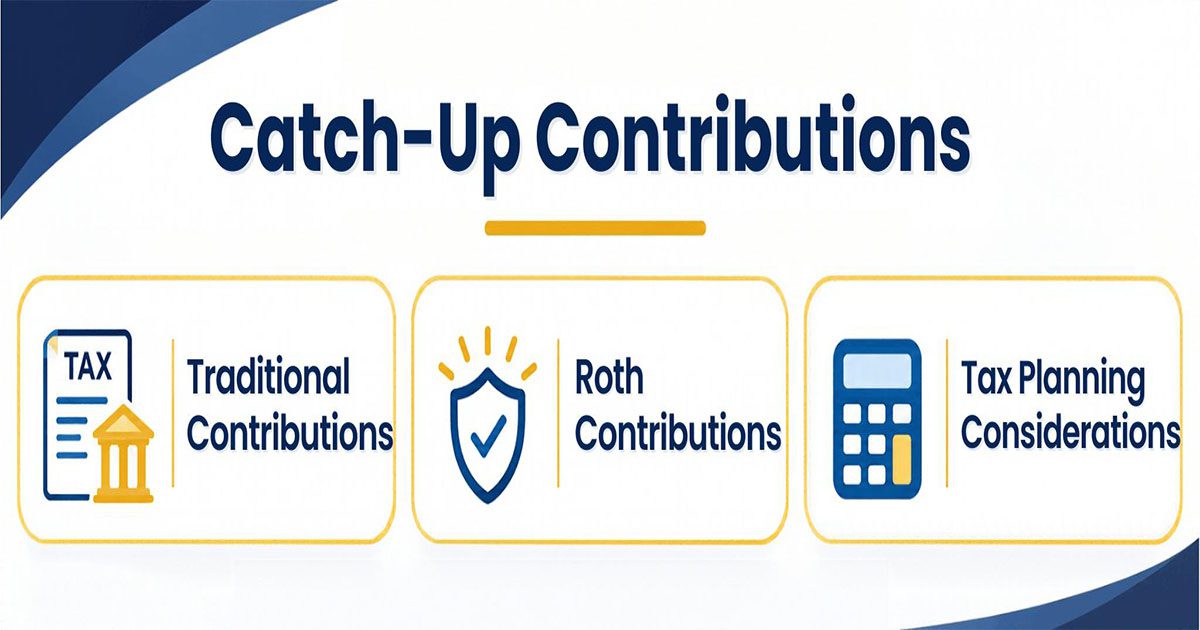
- Traditional contributions: Generally provide a tax benefit when the contribution is made, with withdrawals taxed later.
- Roth contributions: Use dollars that have already been taxed, allowing qualified withdrawals to be tax-free in retirement.
- Tax planning considerations: Required Roth catch-up contributions can change an individual’s current tax picture and future retirement income planning.
The amount contributed matters, but the type of account receiving those dollars can be equally important.
Should You Maximize Your Catch-Up Contributions?
Being eligible to contribute more doesn’t automatically mean maximizing contributions is the right decision.
Consider someone who is 62 and planning to retire in two years. They qualify for enhanced catch-up contributions but also anticipate replacing a vehicle, making home improvements or helping a family member financially.
Directing every available dollar toward retirement accounts could leave insufficient cash for these upcoming expenses.
Alternatively, someone with strong cash reserves, minimal debt and a retirement savings gap may find additional contributions particularly valuable.
The decision should account for available savings, current expenses, future income needs and tax considerations rather than focusing exclusively on reaching the contribution limit.
Reviewing Contributions Before Year-End
As the year ends, reviewing actual retirement contributions can help identify opportunities that might otherwise be overlooked. Checking a recent pay stub or workplace retirement account can clarify how much has already been contributed and whether additional contributions are available.
Workplace retirement contributions generally must be made through payroll during the calendar year. Waiting until the following April could mean missing the opportunity to increase contributions for 2026.
Even when additional contributions aren’t appropriate today, understanding the available limits can support better preparation for future years.
Catch-up contributions are one tool for strengthening retirement savings. Their greatest value comes from understanding how they fit alongside taxes, cash reserves and the financial needs of the life you’re preparing to live.
Financial Enhancement Group is an SEC Registered Investment Advisor.
This content is for educational purposes only and is not intended to be financial, investment, or tax advice. Please consult with a qualified advisor regarding your specific situation.