
One of the most common assumptions about retirement is that taxes will automatically be lower once you stop working.
Many people expect their income — and their tax bill — to shrink when the paychecks stop. But for most retirees, that simply isn’t the case. In fact, many find themselves paying as much or even more in taxes after retirement than during their working years.
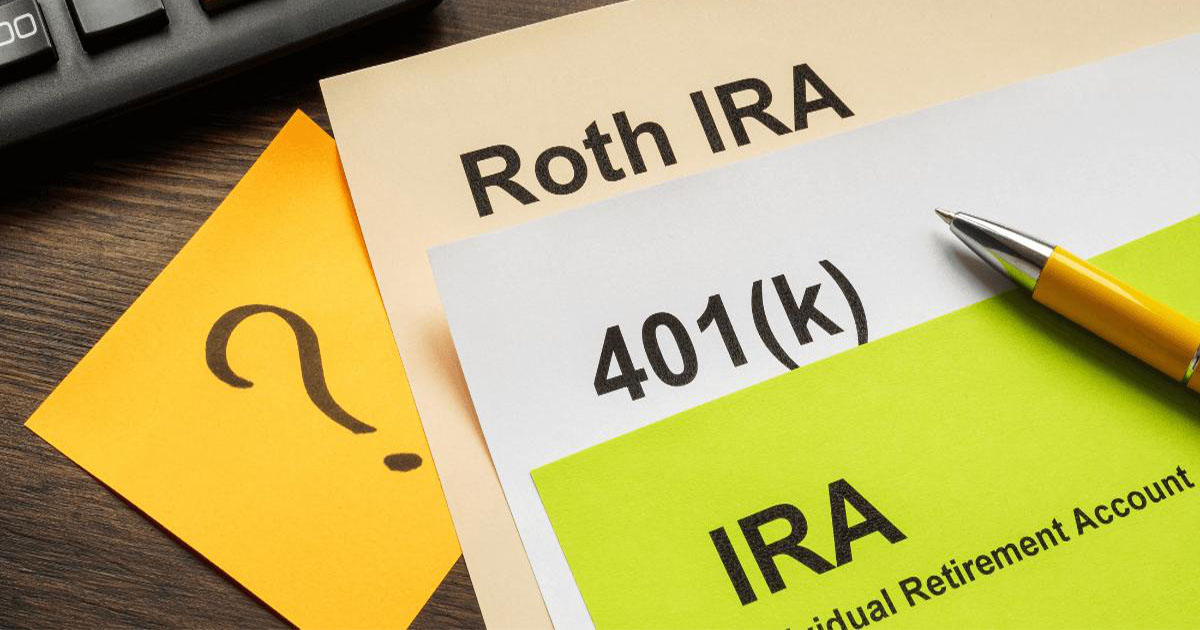

That’s where tax-efficient withdrawals come in. Knowing how and when to draw from different types of accounts can make a significant difference in preserving your wealth and minimizing unnecessary tax exposure.
The first thing to understand is that not all dollars are taxed the same way. Retirement income generally comes from three categories:
- Tax-deferred accounts such as traditional IRAs and 401(k)s.
- Tax-free accounts like Roth IRAs.
- Taxable accounts such as brokerage or savings accounts.
Each of these behaves differently at withdrawal, and your strategy should account for that. Mapping out where your money is located — and how much of it sits in each bucket — is the foundation of a good tax plan.
Once that “tax map” is clear, the next step is creating an intentional withdrawal strategy. Many people begin by tapping their tax-deferred accounts first, but that isn’t always the most efficient move. Instead, aim to use your available tax bracket strategically — taking enough from each source to stay within a favorable rate, while preserving tax flexibility for future years.
For example, if you’re in the 12% tax bracket, long-term capital gains and qualified dividends may be taxed at 0%. Coordinating your income streams to stay within that bracket could reduce your federal tax bill entirely for certain portions of your income.
Another major factor is required minimum distributions (RMDs). Once you reach RMD age — currently 73 to 75, depending on your birth year — you’re required to start taking money from tax-deferred accounts whether you need it or not. Those withdrawals can push you into higher tax brackets and even increase Medicare premiums through the Income-Related Monthly Adjustment Amount (IRMAA). Planning ahead with partial Roth conversions can help manage those future tax burdens, spreading them out over several years instead of facing large, forced withdrawals later.
When designing a withdrawal plan, coordination is key. Align RMDs, investment income, and Social Security benefits with your broader goals and tax position. Failing to look at the full picture can lead to unexpected tax spikes, especially when one spouse passes away. After a death, the surviving spouse’s tax brackets are cut in half, meaning the same income could be taxed at much higher rates.
A few key takeaways for tax-efficient withdrawals:
- Understand how each type of account is taxed, and build a plan that blends them wisely.
- Create a tax map to visualize where your income will come from in retirement.
- Manage RMDs proactively through partial Roth conversions or strategic withdrawals.
- Be mindful of how withdrawals may impact Medicare premiums and future tax brackets.
- Plan jointly as a couple to prepare for potential tax changes after the loss of a spouse.
Tax planning in retirement isn’t a one-time task — it’s an ongoing process that evolves as your income, expenses, and laws change. Understanding how your money will be taxed helps you make smarter withdrawal decisions today and avoid surprises later. With a clear strategy, you can enjoy the retirement you’ve worked for while keeping more of what you’ve earned.
Financial Enhancement Group is an SEC Registered Investment Advisor.