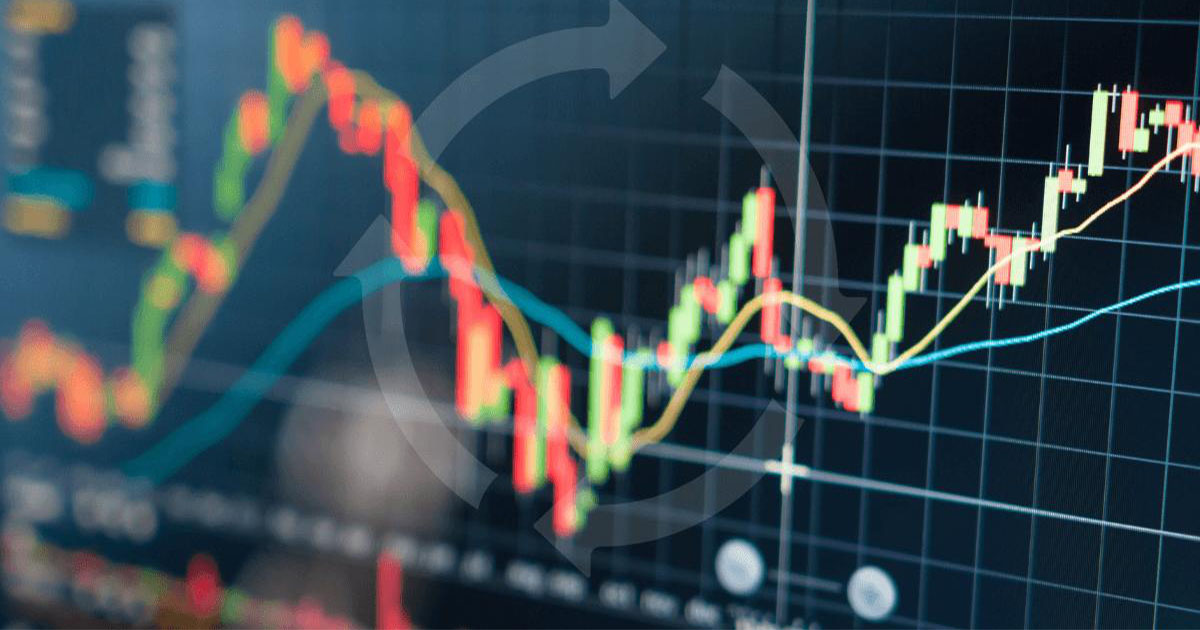
Market cycles can test even the most seasoned investors.
When the market swings sharply or experiences extended periods of volatility, it’s natural to wonder whether you should make changes to your investments. But reacting emotionally, or trying to time ups and downs, often leads to decisions that hurt long-term results. Keeping your portfolio aligned through market cycles starts with understanding your goals, knowing your risk tolerance, and maintaining a disciplined approach.
When markets become choppy, the first question to revisit is simple: What is your goal for the money? Someone who is still many years away from retirement may invest very differently from those who are already relying on their portfolio for income. A long time horizon allows for a greater tolerance of short-term swings, while those drawing from their accounts need a structure that balances growth with stability. Clarifying your goal helps determine how much fluctuation you can comfortably absorb.
The next consideration is your risk tolerance. Market volatility can stir up strong emotions, and understanding how much risk you are willing, and able, to take helps guide how your portfolio should be built. If large swings cause significant stress, a portfolio constructed with smoother, steadier exposure may be necessary. If you’re more comfortable with fluctuation, you may lean toward investments that experience larger movements but offer greater long-term growth potential.
With goals and risk tolerance defined, the focus shifts to how your investments are allocated. While investors traditionally had access primarily to the public markets, more opportunities are emerging in private investments. These can offer additional diversification, providing exposure to assets that don’t always move in lockstep with the stock market. Expanding beyond traditional holdings can create a more balanced experience through different market environments.
The heart of staying aligned, however, is sticking to your plan. Market cycles can be emotional, especially when headlines highlight downturns or sudden drops. The instinct to pull money out of the market when conditions feel uncertain is common — but often counterproductive. Selling during a downturn locks in losses and can make it difficult to reenter the market at the right time. Investors who maintain discipline, follow their plan, and avoid making dramatic changes based on fear typically fare better over the long term.
Follow these key principles to keep your portfolio aligned through changing market cycles:
- Start with a clear understanding of your financial goals.
- Know your risk tolerance and design your portfolio accordingly.
- Diversify across different types of investments to balance risk and return.
- Avoid reacting emotionally to short-term fluctuations or headlines.
- Maintain a consistent plan and review it periodically as life changes.
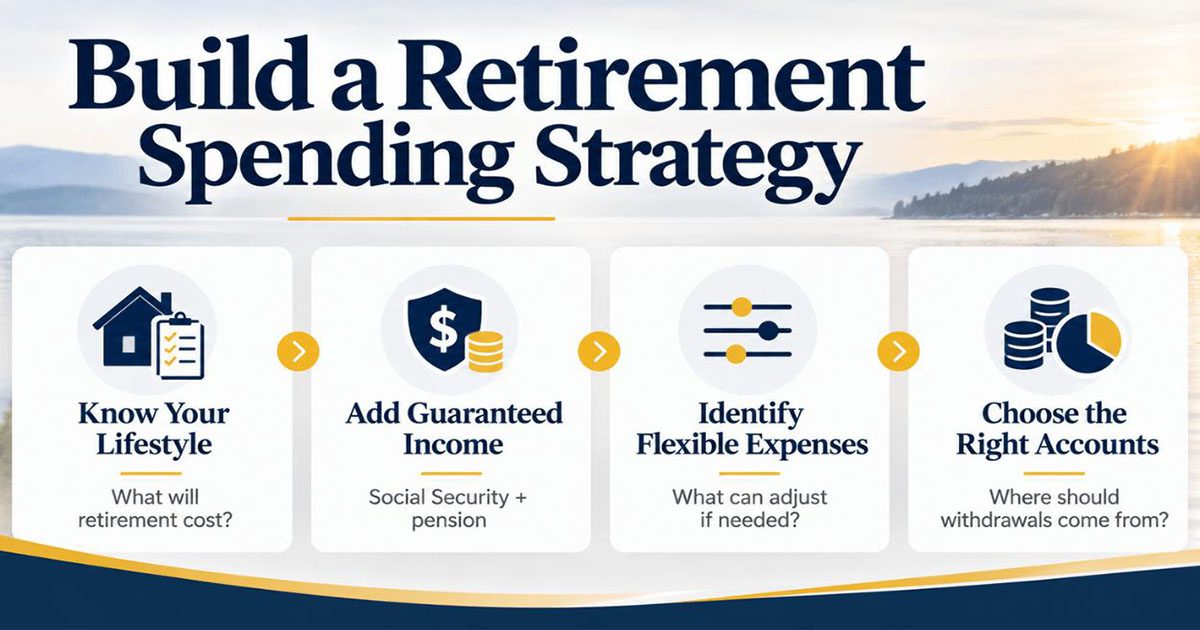
Your standard of living also plays an important role. If you are retired and have reliable income sources such as pensions or Social Security, your portfolio may not need to carry the full burden of funding your lifestyle. In those situations, market fluctuations may feel uncomfortable but are less likely to jeopardize your long-term security. Understanding how much of your lifestyle depends on your investments helps keep market cycles in perspective.
Ultimately, no one can control the market, but you can control how you respond to it. A well-defined plan, paired with consistent discipline, provides the structure needed to weather both the highs and lows. Markets will always move, sometimes calmly and sometimes unpredictably. Staying aligned through those cycles ensures your portfolio continues to support the goals that matter most to you.
Financial Enhancement Group is an SEC Registered Investment Advisor.