

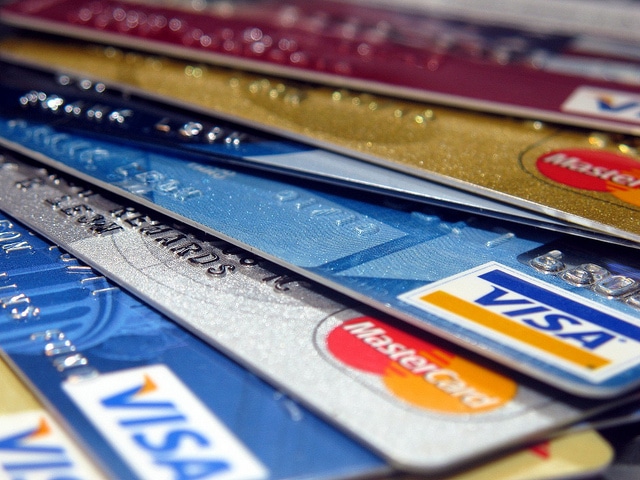
A major shift is taking place in the credit card world. On October 1, retailers were required to accept chip-equipped credit cards. The EMV card (Europay MasterCard and Visa) has been used in parts of Europe for more than two decades. Recent consumer data breaches have prompted the U.S. to adapt the same card protocol.
Numbers support the change. According to the Nilson Report, fraud costs fourteen cents per hundred dollars spent in the U.S. compared to four cents in Europe for the same expenditures. The disparity reflects a huge spread that began widening in 2003 and accelerated in 2010.
The difference between an EMV card and a normal computer strip swipe card that many of us are used to using is the way data is stored. With traditional “swipe” cards, the data remains on the strip after the swipe. But with cards that use EMV chips, the data is changed every time the card is “dipped” into the reader. Fail-proof? Certainly not, but many believe chip cards are a better transaction tool than traditional “swipe” cards.
Assuredly, this change in technology will take time and create some frustration. Retailers must acquire and install the machines and card issuers need to issue the chip embedded cards to cardholders. But it all comes down to the responsible party when fraud occurs. For the record, this is why I have never used a debit card.
In the U.S. my liability for a fraudulent credit card charge is limited to $50. That explains why Citi and Chase are so quick to stop “suspect” transactions. But a debit card is a different story. The cardholder’s potential liability is the amount of money in their account.
Parents with children at universities have a challenging decision to ponder. Fraud is a common problem on college campuses and students are often naïve about the fraudsters who prey on them. Students may not be diligent about protecting their accounts (a friend of a friend used to tell people her pin spelled LOVE). Yes, giving a debit card to a child can control how much they spend, but the account balance in its entirety could be at jeopardy. In contrast, the liability associated with a stolen credit card is just $50. Of course, parents will have to trust their student to exercise financial discipline when using credit cards.
There is still more to consider when it comes to liability. If a retailer doesn’t provide the technology to read a chip card, the retailer is responsible for the transaction. If a chip-enabled card is fraudulently used then the issuing card company is still on the hook. Individuals may not be able to use older cards in the near future, but that appears to be the only impact consumers will feel.
Early reports indicate that “dipping” takes a little longer and that some restaurants are having challenges with adding a gratuity after the transaction has gone through. But at the end of the day, many consumers are willing to sacrifice a few extra seconds if it means their finances are that much more secure.
Photo from: frankieleon
Disclaimer: Do not construe anything written in this post or this blog in its entirety as a recommendation, research, or an offer to buy or sell any securities. Everything in this post is meant for educational and entertainment purposes only. I or my affiliates may hold positions in securities mentioned in the blog. Please see my Disclosure page for full disclaimer.