Economy

How Does Inflation Impact Your Retirement?

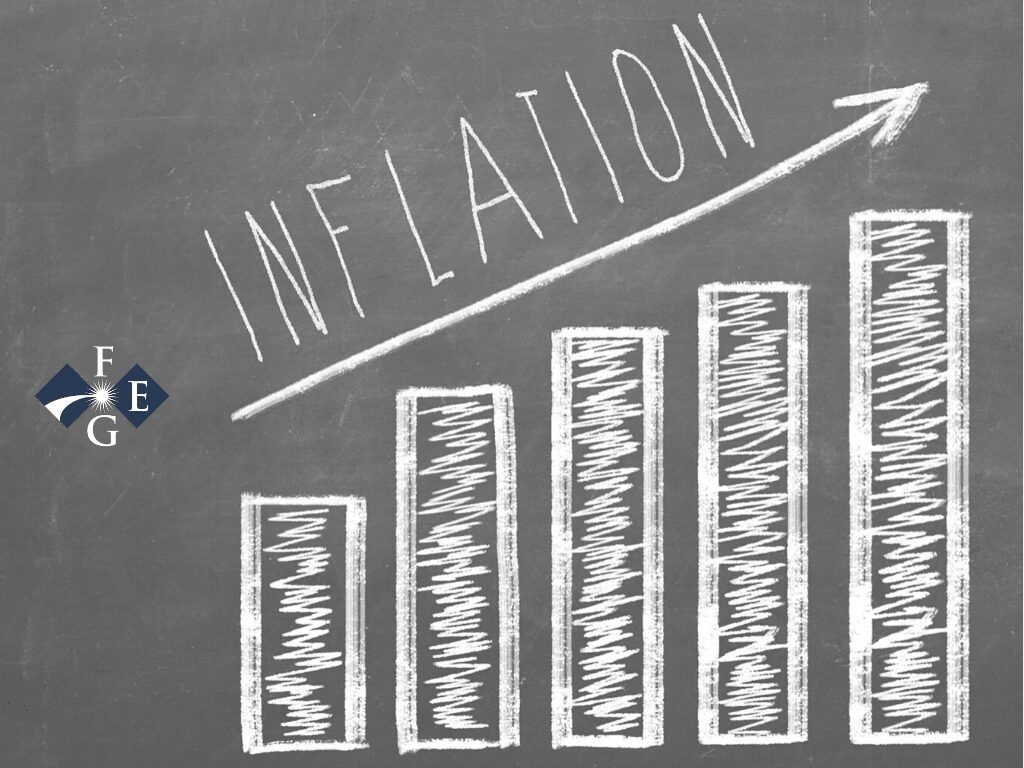
Inflation lives a tormented existence.  We want our homes to appreciate, but yet we want our food cheaper and cable TV for less.  Both changes in the price stem from inflation. One side loved, and the other deplored.

Inflation is a necessary part of a growing economy. The question is, what is the right amount of inflation, and why does it matter to you?

The issue within the realm of retirement regarding inflation is purchasing power or being very clear, how much will a dollar buy today versus another time period. Inflation has been measured and reported by the Bureau of Labor and Statistics since 1913 currently in the form of the CPI (Consumer Pricing Index.)

The number is based on a collective of goods – things you buy – and services – things you need. Rarely does the reported CPI number reflect the life of one of our retired families.

Aging changes our wants and needs. As we age we typically need to purchase fewer goods. We have accumulated the items we need and only replace them due to wear and tear or technological upgrades.

The opposite is true of services – taking care of your yard, medical assistance, and dry cleaning for instance – are all services rather than goods. As we age, we simply need more service assistance. You can purchase a TV made in Korea, but your barber needs to be in the same town. The true cost of services is inflating at a faster rate than the CPI would indicate.

Life expectancy is another part of this series, but suffice it to say that the probability of you living longer than you expected is on the rise. The longer you live, the greater the impact from inflation or said another way, the less your previous dollar can stretch. You have the same income from a year ago, and yet it can buy less. That’s inflation.

Your job as a retiree then is making sure your investments and retirement accounts have the ability to keep up with the “real” cost of living. In order to maintain purchasing power, you not only have to have what you started with regarding income a year ago, but you also have to grow it by that inflation rate.

Over three or four years, this isn’t a significant issue, but over a 30-year retirement this becomes one of the four deadly horsemen trying to separate you from your expected future. Your inflation rate is individualized based on your standard of living and chosen location. Prices tend to rise faster where demand is higher.

Embracing inflation is important because then you will learn to respect the awesome power of compound interest. You place your retirement in jeopardy without paying due respect to the natural and mighty force of both price and asset appreciation. How you invest your nest egg is more than just the awareness of volatility.

This is the 3rd article of a 10 part series.

Disclaimer: Do not construe anything written in this post or this blog in its entirety as a recommendation, research, or an offer to buy or sell any securities. Everything in this post is meant for educational and entertainment purposes only. I or my affiliates may hold positions in securities mentioned in the blog. Please see our Disclosure page for the full disclaimer.

Life is Not a Vacuum and Neither is Investing

The art of comparison creates many challenges for our personal and professional lives but especially our finances. The desire to keep up with the “Jones’” next door in the newest car, biggest house and best vacation hopefully fades as we age. Other aspects of comparison tend to creep into our lives and take over that role over time.

One such comparison is looking at our economy today and comparing it to another time. Recently there was an attack against Saudi Arabia. The last time this happened was 1991, and that shock created a drop in the stock market and a spike in oil prices. That was then, but this is now.

Sure enough, the following day pundits filled the news and explained what this meant for your 401(k) and the overall economy. You don’t – in the opinion of advertisers – watch the news for information any longer. You are watching for conclusions and actionable items. How sad.

We do not live in a vacuum and neither does our economy. Yes, oil prices spiked, and equity markets declined rapidly in 1991 over a similar event. What the newsmakers left out is the market in both cases went back to their senses over the next year. More importantly, they left off that at that stage, the US was energy-dependent upon oil-importing. Last year we actually became a nation of oil-exporting. Things change.

Our human bias is to think we can look at an event or what the academics would call a “cause” and then make sense out of that by predetermining an outcome or “effect.” The usual rule of thumb is this event created this outcome last time so here is the answer. Things change!

Examine your favorite past time or hobby and see the problems when you know the whole story or at least most of the story. For instance, I am in no way mechanically inclined. I rely totally on my friends at the dealership to keep my car in good order.

A few years ago, my car was acting like I remember my first car acting more than 30 years ago. I was told that my carburetor had an issue and needed to be repaired. I will never forget my embarrassment when I told the mechanic that I think my car needed a new carburetor based on my past experiences. He laughed and explained I was more than a decade late in my analysis.

There is a natural human behavior to explain things, but please be careful. My car was only saved by my willingness to hire a professional that knew the entire story, not just my personal opinion of the cause and effect. This happens in economics all the time.

There are academics, for instance, who teach that contributing to a Roth IRA is no different than using a Traditional IRA over time. They are living in a vacuum assuming inputs like taxes remain consistent. Just like carburetors, things change, and there is often more to the story.

Disclaimer: Do not construe anything written in this post or this blog in its entirety as a recommendation, research, or an offer to buy or sell any securities. Everything in this post is meant for educational and entertainment purposes only. I or my affiliates may hold positions in securities mentioned in the blog. Please see our Disclosure page for the full disclaimer.

Privacy Overview

This website uses cookies so that we can provide you with the best user experience possible. Cookie information is stored in your browser and performs functions such as recognising you when you return to our website and helping our team to understand which sections of the website you find most interesting and useful.